September 12, 2026 / Brand Strategy
Interior design styles: a practical guide to choosing the right look
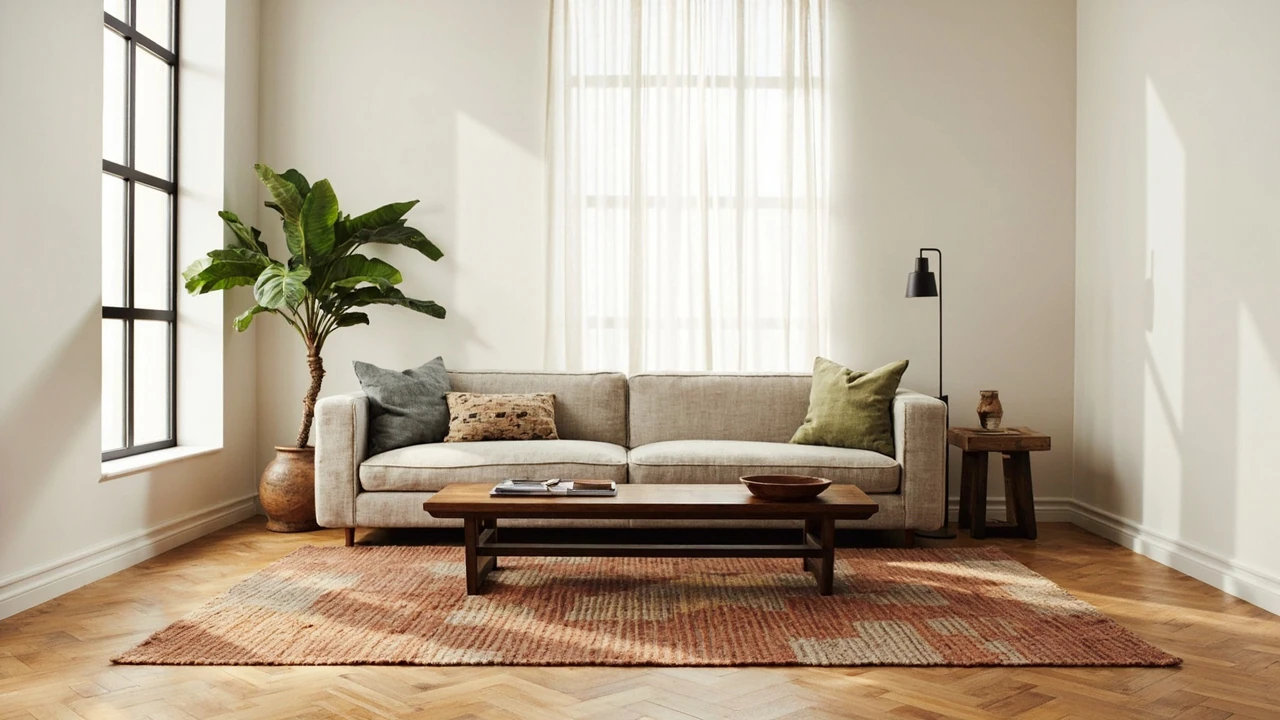
Interior design styles: a practical guide to choosing the right look
A homeowner stands in an empty living room with a sample board in one hand and a paint chip in the other, weighing whether the space wants the calm of a Scandinavian interior, the warmth of a mid-century modern interior, or the layered character of a transitional interior. The decision shapes furniture budgets, renovation scope, lighting plans, and how the room will age over the next decade.
What follows is a working guide to interior design styles. It covers what the labels actually mean, the families designers use to group them, twelve styles you will encounter when planning a home or a single room, and a method for choosing the one that fits the space, the budget, and the people using it. There is also a section on mixing styles without the room falling apart, and on the mistakes that tend to drive costly rework.
What “interior design styles” actually mean
An interior design style is a shared visual language. It bundles a recognizable combination of materials, colors, furniture silhouettes, lighting, and decorative details that developed within a specific cultural, historical, or design movement. Scandinavian style ties together light woods, white walls, soft textiles, and functional furniture shaped by Nordic light and climate. Mid-century modern style ties together organic shapes, low-profile furniture, and postwar materials like molded plywood and fiberglass.
Designers use style labels for three practical reasons:
- Communication. A shared vocabulary lets a client say “I want a Japandi interior” and expect a recognizably different result from “I want a coastal interior.”
- Decision making. A style acts as a constraint set. Once a style is chosen, the materials, colors, and furniture lines are largely decided, which simplifies hundreds of small choices.
- Consistency. A coherent style holds a room together when furniture comes from different sources and is added over time.
Style labels are descriptive, not regulatory. A room can belong to several styles at once, and a single style can be expressed in many ways. The useful question is which combination of materials, lines, and details will hold this room together for the next several years.
The main families of interior design styles
Most interior design styles cluster into a few broad families. Understanding the families makes it easier to navigate the dozens of named styles you will find in magazines, showrooms, and social feeds.
| Family | Core characteristics | Typical materials | Common named styles |
|---|---|---|---|
| Traditional and classical | Symmetry, ornate detail, classic proportions | Dark woods, marble, damask, brass | Victorian, Georgian, French country, neoclassical |
| Modern and contemporary | Clean lines, neutral palette, minimal ornament | Glass, steel, concrete, engineered wood | Mid-century modern, Scandinavian, contemporary, minimalist |
| Rustic and farmhouse | Natural textures, weathered finishes, handmade feel | Reclaimed wood, stone, linen, wrought iron | Modern farmhouse, rustic, cottage, Tuscan |
| Industrial and urban | Exposed structure, utilitarian objects, raw finishes | Brick, black metal, leather, concrete | Industrial, loft, urban modern |
| Eclectic and global | Mixed influences, layered objects, personal collections | Rattan, kilim textiles, ceramics, painted woods | Bohemian, Moroccan, Japandi, coastal |
These families are not strict boxes. A Japandi interior is a deliberate blend of Japanese and Scandinavian influences, and many modern farmhouses borrow from industrial style. The families simply provide a starting map.
Twelve popular interior design styles explained
Below is a closer look at the styles you are most likely to encounter when planning a home. Each entry covers the visual cues, the materials to expect, the rooms it suits, and the tradeoffs to be aware of.
1. Scandinavian
Scandinavian style developed in Nordic countries during the twentieth century and is defined by pale woods, white or off-white walls, soft textiles, and functional furniture with light, simple lines. Lighting matters: layered lamps, candles, and sheer curtains compensate for short winter days. The style rewards restraint, so a single bold piece of art or a sculptural chair is often enough to anchor a room.
Best for: small apartments, north-facing rooms, and homeowners who want a calm base for changing decor.
Tradeoffs: the palette is limited, so the room can feel cold without warm wood, layered textiles, or a few saturated accents.
2. Mid-century modern
Mid-century modern style draws from furniture and architecture produced roughly between 1945 and 1969. Look for low-profile sofas on slim legs, organic curves, tapered wood legs, and materials such as molded plywood, wool, and leather. Colors range from warm woods to saturated accents like mustard, teal, and burnt orange.
Best for: living rooms, home offices, and reading nooks where you want character without clutter.
Tradeoffs: authentic mid-century pieces are often expensive, and reproductions vary widely in quality.
3. Modern farmhouse
Modern farmhouse combines traditional farmhouse cues such as shiplap, apron sinks, and distressed wood with cleaner modern lines and a more neutral palette. The look is comfortable rather than rustic in the heavy sense, and it works well in open-plan family homes.
Best for: kitchens, family rooms, and new-build homes in suburban settings.
Tradeoffs: the style is popular enough that it can feel generic if the materials are low quality. Invest in a few real wood pieces rather than purely decorative cladding.
4. Industrial
Industrial style takes its cues from converted warehouses and factories. Expect exposed brick, black steel frames, concrete or wood floors, and visible ductwork. Furniture tends to be functional and heavy: leather sofas, metal shelving, and reclaimed wood tables.
Best for: lofts, basements, and open-plan spaces with strong architectural features.
Tradeoffs: the look can feel cold or unfinished if the lighting is harsh and the textiles are sparse.
5. Japandi
Japandi merges Japanese craft and minimalism with Scandinavian warmth. The palette is usually warm neutrals, the lines are simple, and the materials favor light wood, paper lanterns, linen, and handmade ceramics. Decoration is sparse and intentional, with a focus on craft and texture rather than pattern.
Best for: bedrooms, studies, and small spaces where calm is the goal.
Tradeoffs: the style requires real restraint, so it can be frustrating for people who enjoy collecting and displaying objects.
6. Bohemian
Bohemian style is layered, collected, and personal. Expect a mix of textiles such as kilims and ikats, rattan and wicker furniture, plants, and objects gathered from travel. Colors are warm and saturated, and pattern is welcome.
Best for: renters, creative studios, and rooms that already have unusual architectural features.
Tradeoffs: the look needs editing. Without a clear color story, a bohemian room can read as cluttered rather than curated.
7. Coastal
Coastal style draws on beach houses and seaside cottages. The classic version uses white or soft blue walls, natural fiber rugs, slipcovered furniture, and weathered wood. Modern coastal leans cooler and more minimal, with navy, white, and bleached wood rather than the shells and seahorses of older versions.
Best for: homes near the water, sunrooms, and rooms that need to feel light and breezy.
Tradeoffs: the style can feel theme-driven in landlocked settings, so adjust the palette and skip the literal beach motifs.
8. Traditional
Traditional style draws on eighteenth and nineteenth century European design. Expect symmetry, classic moldings, dark woods, damask or chintz textiles, and rich color palettes. Furniture is usually substantial, with rolled arms, turned legs, and carved details.
Best for: formal living rooms, dining rooms, and older homes with classical architecture.
Tradeoffs: the style is detail-heavy, so it can be expensive to execute well and may feel formal in casual households.
9. Transitional
Transitional style is a deliberate bridge between traditional and contemporary. It keeps the comfort and warmth of traditional design but pares back the ornament, replacing heavy carvings with cleaner lines and updating the color palette to soft neutrals. The result reads as calm and current without being cold.
Best for: open-plan homes, couples combining two decor styles, and people moving between a classic house and a modern lifestyle.
Tradeoffs: because it borrows from many sources, transitional rooms need a clear color and material story to avoid feeling vague.
10. Minimalist
Minimalist style reduces a room to its essentials. Furniture is functional, surfaces are mostly clear, and the color palette is narrow. The look is not ascetic. Good minimalist interiors use high-quality materials, careful lighting, and a few well-chosen objects to add warmth.
Best for: small apartments, work-focused spaces, and people who actively prefer less stuff.
Tradeoffs: the style exposes everything, so storage planning and material quality matter more than in busier styles.
11. Art deco
Art deco style is geometric, glossy, and confident. Expect lacquered surfaces, mirrored furniture, brass or chrome details, and bold geometric patterns. The color palette often pairs black with gold, cream, or jewel tones like emerald and sapphire.
Best for: powder rooms, bars, and feature walls where the look can shine without overwhelming a home.
Tradeoffs: art deco needs a few statement pieces, and poor-quality reproductions quickly read as costume rather than design.
12. Rustic
Rustic style uses raw, natural materials such as exposed beams, stone walls, and reclaimed wood. Furniture is solid and often handmade, with iron hardware and warm textiles like wool and leather. The look is rooted in older farmhouses, mountain cabins, and country homes.
Best for: country properties, ski chalets, and homes with strong existing architectural features.
Tradeoffs: the look can feel heavy in modern apartments, and too much distressed wood can read as dated.
How to choose a style that fits your space
A good style choice starts with the room itself rather than a magazine image. A style that works in a 60-square-meter apartment with north-facing windows will not work in a sun-filled country kitchen, even if both spaces are called “modern.” The sequence below helps a style emerge from the room rather than being imposed on it.
- Read the architecture. Note ceiling height, window size, floor material, and any fixed features such as beams, moldings, or brick. Strong features usually suggest a direction: a brick wall points to industrial or rustic, a high ceiling with crown molding points to traditional or transitional.
- Read the light. A room with limited natural light usually benefits from Scandinavian, Japandi, or coastal palettes. A bright room with strong sun can support darker traditional and art deco looks.
- Define the use. A formal dining room, a playroom, and a home office have very different comfort, durability, and storage needs. The chosen style should support the use, not fight it.
- Set a realistic budget. Some styles are more forgiving of lower budgets than others. Scandinavian and minimalist styles can work with a few well-chosen pieces, while traditional and art deco usually require higher spend on materials.
- Choose two or three reference images. Use them to extract a small number of cues rather than copying a room. Look for repeated colors, materials, and furniture shapes across your images.
- Lock the palette first, then furniture. A consistent color story holds a room together even when furniture is mixed. Furniture and decor are easier to swap later than walls and floors.
A quick comparison of the most common styles
The table below compares popular interior design styles across the attributes that most affect decisions. Use it as a starting point when narrowing your choice.
| Style | Color palette | Material emphasis | Room size fit | Maintenance level |
|---|---|---|---|---|
| Scandinavian | White, warm neutrals, soft accents | Light wood, wool, linen | Small to medium | Medium |
| Mid-century modern | Warm wood tones, mustard, teal | Walnut, teak, wool, leather | Medium to large | Medium |
| Modern farmhouse | White, cream, sage, black | Shiplap, oak, stone | Medium to large | Medium |
| Industrial | Charcoal, rust, black, cream | Brick, steel, concrete, leather | Large, open | Low |
| Japandi | Warm neutrals, soft black | Light wood, paper, linen, ceramic | Small to medium | Low |
| Bohemian | Warm earth tones, saturated accents | Rattan, kilim, brass, cotton | Any | Medium |
| Coastal | White, soft blue, sand | Light wood, rattan, linen | Medium to large | Medium |
| Traditional | Deep neutrals, jewel tones | Mahogany, marble, damask, brass | Medium to large | High |
| Transitional | Soft neutrals, muted accents | Wood, linen, brushed metal | Any | Medium |
| Minimalist | White, gray, black, one accent | Engineered wood, glass, steel | Any | Low |
| Art deco | Black, gold, cream, jewel tones | Lacquer, brass, mirror, velvet | Medium | Medium |
| Rustic | Earthy browns, cream, forest green | Reclaimed wood, stone, iron, wool | Large, open | Medium |
How to mix interior design styles without creating a mess
Mixing styles is often the only realistic option, especially in a long-term home where furniture is collected over time. The goal is to choose a clear “lead” style and a “supporting” style, then keep the rest of the room simple.
- Pick one dominant style. A room usually reads better when one style sets the tone, even if it only accounts for sixty percent of the pieces.
- Add one accent style. A second style can appear in textiles, art, or a single piece of furniture. More than two usually starts to look unplanned.
- Repeat at least one material across both styles. If the dominant style is Scandinavian and the accent is mid-century modern, repeat walnut or brass in both halves to tie them together.
- Stay inside a shared palette. A narrow palette of two or three colors is the cheapest way to make a mixed room feel intentional.
- Let the architecture decide. When in doubt, the building usually wins. Match the dominant style to the era and materials of the home.
Common mistakes when committing to a style
Most style regrets come from a small set of recurring problems. Keeping these in mind early avoids the need for expensive rework later.
- Choosing from a single photo. A photo shows a styled room, not a lived-in one. Pull from several references and identify the repeated patterns.
- Skipping the floor plan. A style only works when the furniture fits the room. A heavy traditional sofa in a small Scandinavian room breaks the look, even if the colors match.
- Underestimating lighting. Many style cues depend on lighting. Industrial style needs warm bulbs to soften the metal, and art deco needs layered light to make the glossy surfaces glow.
- Going too theme-led. Coastal style with surfboards on the wall, or rustic style with antlers in every room, becomes a theme park. Use cues, not props.
- Ignoring storage. Minimalist, Scandinavian, and Japandi styles in particular need real storage, because every object is on display. Plan closets, cabinets, and drawers before committing.
How style choices connect to a wider design system
Interior design styles sit inside a larger visual system. Color, material, line, and proportion work the same way in a living room as they do in a brand identity, a website, or a printed brochure. The same logic that helps a small business choose a consistent set of brand colors and fonts helps a homeowner choose a consistent set of materials and finishes. When those decisions are made as a set rather than piece by piece, the result feels coherent whether the room is being designed for living or for a customer-facing space.
For homeowners planning a renovation or a new build, treat style the way a designer treats identity. Lock the palette, the materials, and the proportion rules first, then let every later choice refer back to that set. A clear set of constraints is what makes a room feel designed rather than assembled.
Where to look for reliable style references
Style research benefits from a mix of orientation and evidence. A solid starting point for the underlying history of design movements is the Interior design overview on Wikipedia, which outlines how the profession and its main currents developed. For practical guidance on working with a professional, the American Society of Interior Designers directory lets you look up credentialed designers by region and project type, which is useful when a project moves beyond a single-room refresh.
Beyond those references, a useful rule is to trust a style only when you can find multiple independent examples of it in real homes, not just in a single branded mood board. Interior design styles that survive contact with real rooms are the ones that translate into everyday living.
Frequently asked questions
What are the main interior design styles?
The most common interior design styles include Scandinavian, mid-century modern, modern farmhouse, industrial, Japandi, bohemian, coastal, traditional, transitional, minimalist, art deco, and rustic. Each style has a recognizable set of materials, colors, and furniture silhouettes, and they cluster into broader families such as traditional, modern, rustic, industrial, and eclectic.
How do I choose an interior design style for my home?
Start with the architecture, the light, and the use of each room rather than a single inspiration image. Pick a style that suits the existing features and your daily routine, set a realistic budget, and lock the palette before buying furniture. Two or three reference images are usually enough to extract a consistent set of cues.
Can I mix two interior design styles?
Yes, and most homes already do. The cleanest result comes from choosing one dominant style and one accent style, repeating at least one material or color across both, and keeping the palette narrow. More than two styles in one room usually requires very careful editing.
What is the difference between modern and contemporary interior design styles?
Modern interior design refers to a specific historical movement, often linked to mid-century modern design, with defined materials and silhouettes. Contemporary design refers to what is being produced and used right now and shifts over time. A contemporary room in one decade may look very different in the next, while a modern room tends to look more consistent.
Which interior design styles are easiest to maintain?
Styles with durable materials and forgiving palettes, such as industrial, minimalist, and Japandi, are usually the easiest to maintain. Heavy ornament, light upholstery, and complex color palettes in styles like traditional, bohemian, and art deco require more regular cleaning and care.
What is the most popular interior design style right now?
Popularity shifts by region and by decade, but in recent years Scandinavian, modern farmhouse, Japandi, and warm minimalist looks have been widely adopted in residential design. The right choice still depends on the home and the people living in it, not on broader trends.
Do interior design styles apply to small apartments?
Yes, and some styles are particularly well suited to small spaces. Scandinavian, Japandi, minimalist, and modern coastal all use light palettes, simple lines, and multifunctional furniture, which help small rooms feel larger and calmer. Heavy traditional and dark industrial styles can be made to work, but require more careful planning.
How long does it take to fully decorate a room in a chosen style?
A single room can usually be fully decorated within a few months if the structural work is already done, with the most important pieces in place within the first few weeks. Most homeowners continue to refine a room over a year or more, adding textiles, art, and smaller objects as the room is actually used.
Should I hire a designer to choose a style?
A professional interior designer is most useful when the project involves structural changes, multiple rooms, or a high budget. For a single room refresh, a clear plan based on the existing architecture and a focused palette is often enough. The key is to commit to a consistent set of decisions early and resist changing direction mid-project.
How do I keep my style choices from looking dated?
Anchor the room in the architecture and in materials that age well, such as real wood, stone, and natural textiles. Use the trend-driven layers, like paint color, soft furnishings, and art, as the parts that are easiest to refresh. That way, the room can be updated every few years without a full renovation.
For a renovation or a new build, the same disciplined approach to color, material, and proportion that shapes a strong visual identity program applies to a home: the visible result is only as strong as the underlying decisions that hold it together.